

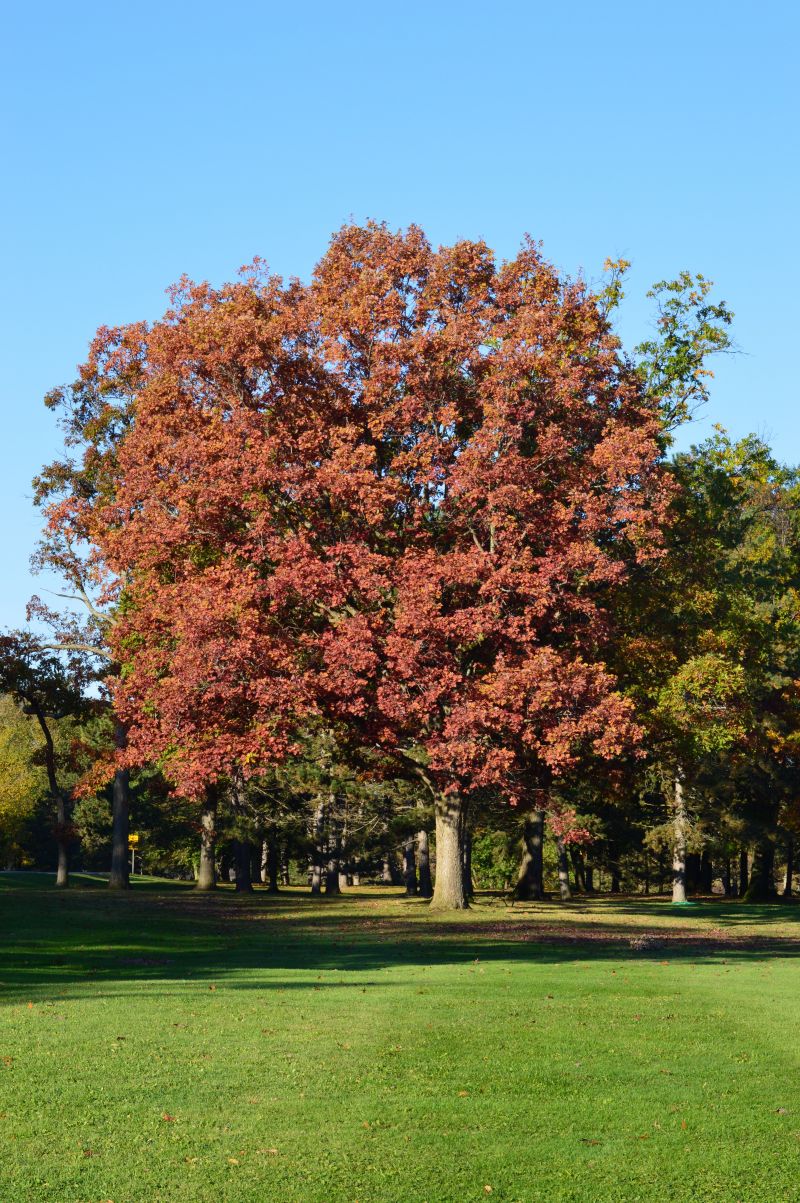
How do you feel about the trees you can see from your house or apartment? On a Sunday in June 2023, neighbours living near a 6-acre lot in Salmon Arm were shocked to see more than 100 trees being felled or already on the ground. They reported it, and in response, the city charged the property owner with cutting down trees without a permit—specifically for violating the city’s Tree Removal and Protection Bylaw 2305. The case came to court in May of this year, and after pleading guilty, the owner was charged $55,000!
It wouldn’t happen in Kamloops. Although we do have a bylaw (50-1) “For the Management and Protection of Trees Within the City”, it has many exemptions—including allowing any tree to be cut on privately owned lots that are zoned residential and less than 2 ha in size—and allowing trees < 5m in height and < 10cm in diameter to be cut on any private lands. And developers pretty much have carte blanche on lands “undergoing development.” This is, of course, why there are many fewer trees in new Kamloops’ developments as opposed to established ones. (You can read more about this in the City’s Urban Forest Management Plan.) While some BC communities, like Salmon Arm, have more stringent tree protection bylaws, many don’t.Find out more about tree bylaws in BC here.
And yet studies on the many values of urban trees abound. They have been shown to improve the mental and physical health of a city’s citizens. (For a recent review of this research go here.) Trees increase the water-holding capacity of soil (e.g., witness the effects of atmospheric rivers in burned over areas), reduce emissions, sequester carbon, lower the effects of heat, and perform many other functions. Many cities have programs that aim to increase their urban canopy. Vancouver, for example, aims to increase its canopy cover from the current level of 23% to 30% by 2050. Kamloops currently has an urban canopy cover of approximately 15%—up from 12% in 2016, and it has a goal of achieving 20% in the future. The city’s annual tree coupons are part of the program to get us there.
In addition to thinking about the average canopy cover of a city though, it’s also important to think about the distribution of those trees. Do all citizens have trees where they live? That’s not true in many cities, where it has been shown that lower income, or racialized neighbourhoods sometimes have lower levels of canopy cover. Nature Canada suggests that the following might be best practice: “the 3-30-300 rule…states that everyone should be able to see at least three trees from their home, that all neighbourhoods should have at least a 30% tree canopy, and that all residents should have a greenspace of at least one hectare within 300 metres of where they live” (Read more here.) Something to think about! How does it relate to where you live?

